Letting go of fast fashion isn’t just a lifestyle change—it’s an emotional journey. For years, fashion has been a source of comfort, self-expression, and even validation for many of us. The endless cycle of new collections, markdowns, and trends created a sense of urgency to always buy more, buy now, and stay ahead of the curve. The emotional attachment to fast fashion is not just about clothing—it’s about the memories, the excitement of new purchases, and the feeling of belonging to something bigger. But as we become more aware of the environmental impact and the ethical concerns surrounding the fashion industry, letting go of fast fashion becomes a transformative process that often involves challenging deep-seated habits, facing uncomfortable truths, and rethinking our relationship with clothing.
In this article, I will share the emotional aspects of letting go of fast fashion—why it’s hard, how it feels, and the personal growth that accompanies the journey. By exploring this emotional landscape, I hope to offer insights for others who may be considering making the switch to a more sustainable wardrobe and lifestyle.
The Thrill of Shopping: Understanding the Emotional Attachment
For many of us, shopping has always been more than just acquiring clothes. It’s an experience—one that evokes excitement, pleasure, and even a sense of fulfillment. The thrill of the hunt for a bargain, the rush of finding the perfect outfit, and the dopamine boost that comes from purchasing something new are all powerful emotional drivers that fast fashion brands have mastered.
Fast fashion thrives on this emotional connection. The constant turnover of collections and trends keeps us coming back, fueling our desire for newness. For years, I was part of this cycle, driven by the instant gratification of buying clothes that I didn’t need, but that made me feel good in the moment. Fashion served as a form of self-expression, and new clothes were a way to show others who I was or who I wanted to be.
When I first considered letting go of fast fashion, I realized that this wasn’t just about saying goodbye to clothes—it was about letting go of a part of my identity. Clothing had been my source of comfort, my way of connecting with the world, and even my way of coping with stress. The idea of abandoning this emotional crutch was daunting.
Emotional Impact of Letting Go:
- Guilt: There’s an initial feeling of guilt when you realize how much waste the fashion industry creates and how many clothes you’ve accumulated over time, many of which were never worn.
- Fear of Missing Out (FOMO): The fear of not being “on trend” or not having the latest styles can be emotionally unsettling, especially when you’re used to constantly updating your wardrobe.
Confronting the Truth: The Environmental and Ethical Realities
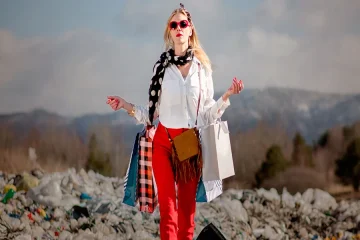
The emotional journey of letting go of fast fashion is deeply intertwined with the guilt and discomfort that comes with facing the harsh truths about the fashion industry. As I began to learn about the environmental damage caused by fast fashion, the ethical concerns about labor exploitation, and the massive textile waste that contributes to global pollution, I was forced to confront the reality of my past consumer habits.
I remember the first time I watched a documentary about the fashion industry’s impact on the planet—the overwhelming sense of shame I felt as I saw the true cost of my purchases. Textile waste was one of the biggest eye-openers for me. I had no idea that millions of tons of clothing end up in landfills every year, with much of it taking centuries to break down. I also learned about the use of toxic chemicals, water waste, and the exploitation of garment workers in developing countries.
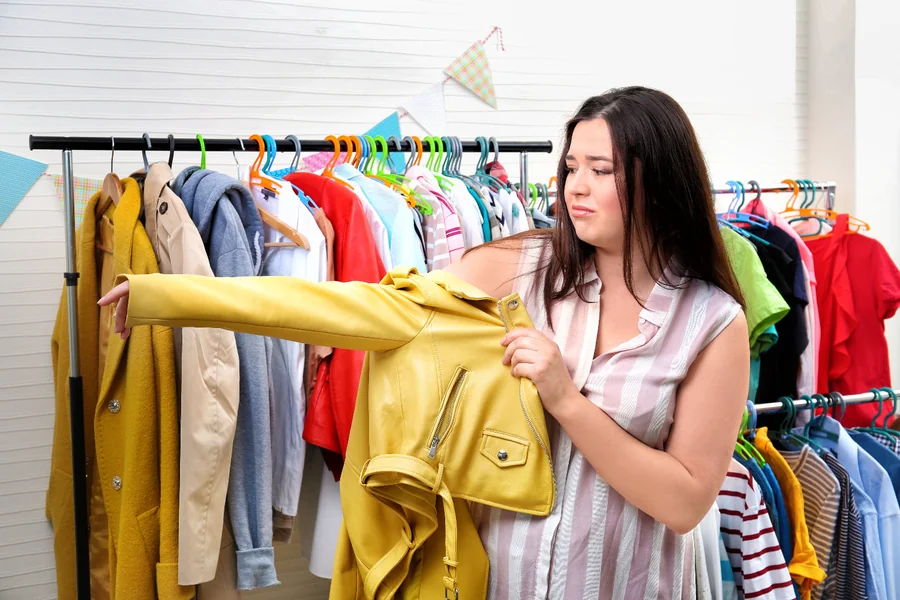
This knowledge created an emotional conflict. How could I, in good conscience, continue contributing to this destructive cycle? Yet, the pull of instant gratification from fast fashion was strong, and I found myself grappling with the desire for new clothes versus the guilt of perpetuating a harmful system.
Facing the Emotional Reality:
- Cognitive Dissonance: The tension between the enjoyment of shopping and the awareness of its negative impact can create a sense of internal conflict, making it harder to let go.
- Sense of Loss: Letting go of the fast fashion mindset felt like losing part of my identity—no longer participating in the latest trends or keeping up with seasonal collections.
The Slow and Steady Shift: Finding New Ways to Express Myself
After the initial shock of realizing the true impact of fast fashion, I began to search for alternative ways to express myself through clothing. The thought of shifting to a more sustainable wardrobe was overwhelming at first, mainly because I wasn’t sure how to navigate the transition. I didn’t want to lose my sense of style or give up the joy of shopping altogether. I simply needed to change the way I approached clothing.
This part of the journey involved a process of exploration and experimentation. I began to shift towards second-hand shopping and started discovering the beauty of vintage and thrifted pieces. At first, it felt strange to step into a second-hand store. I felt like I was settling for less than I was accustomed to. But over time, I started to appreciate the uniqueness and quality of these garments. Vintage clothing often told a story, and the excitement of finding a one-of-a-kind piece became just as thrilling as purchasing something new.
Emotional Growth Through Alternatives:
- Empowerment: As I shifted to sustainable fashion, I started feeling more in control of my purchases. Choosing brands that aligned with my values felt empowering.
- Rediscovery of Personal Style: Without the constant influence of trends, I was able to rediscover my true personal style and develop a more meaningful relationship with clothing.
The Guilt of Decluttering: Letting Go of Old Clothes
One of the most emotionally difficult parts of transitioning away from fast fashion was decluttering my wardrobe. I had accumulated so many clothes over the years—some still with tags on them—and I didn’t know what to do with them. Letting go of items that I had once purchased with excitement and spent money on was hard. I felt a sense of loss as I parted with garments that once symbolized something about who I was or who I wanted to be.
It was important for me to accept that letting go wasn’t just about the clothes—it was about changing my mindset. As I donated or sold old clothing, I had to remind myself that I was making room for something better: a wardrobe that was intentional, sustainable, and aligned with my new values. I had to come to terms with the fact that my past purchases no longer served me, and that was okay.
The Emotional Process of Decluttering:
- Sentimental Attachments: Clothing can carry strong memories, whether it’s a special event or a time in our lives. Letting go of these garments often means letting go of the emotions attached to them.
- Fear of Wasting Money: The thought of “wasting” money on clothes that no longer served me was a hard pill to swallow. However, I had to reframe this as an investment in my future self—someone who values sustainability over fleeting trends.
Embracing the New Normal: Finding Peace and Satisfaction in Less
The final phase of letting go of fast fashion was about embracing the new normal. Instead of feeling deprived for not participating in the latest trends, I began to feel a deep sense of peace and satisfaction with my clothing choices. I was no longer driven by the need to constantly update my wardrobe. I focused on building a small, functional, and sustainable wardrobe that I loved and that suited my needs.
I started to recognize that true fulfillment doesn’t come from material possessions, but from experiences, personal growth, and the connections I make with others. Clothing became just one aspect of my identity, no longer the central focus.
Emotional Shift:
- Contentment: Instead of constantly longing for new clothes, I now find contentment in the pieces I have. They are well-made, versatile, and truly reflect my personal style.
- Gratitude: I developed a greater sense of gratitude for the clothes that serve me and for the journey I’ve been on. Letting go of fast fashion has helped me appreciate the value of quality over quantity.
Conclusion: The Journey Continues
Letting go of fast fashion is not an easy task, and the emotional journey is far from linear. There are moments of guilt, doubt, and frustration, but there are also moments of empowerment, self-discovery, and growth. The process has taught me that sustainability is not just about the clothes we wear—it’s about how we relate to the world, how we consume, and how we prioritize long-term well-being over short-term satisfaction.
As I continue on my journey toward more sustainable fashion choices, I feel more aligned with my values, more at peace with my purchases, and more connected to the broader movement for change in the fashion industry. Letting go of fast fashion wasn’t just a material change—it was a deeply emotional and transformative experience. It’s a journey that continues to evolve, but one that has fundamentally changed the way I see myself and the world around me.